


How To Exhibit At A Trade Show In India: A Step-by-step Guide For First-time Exhibitors
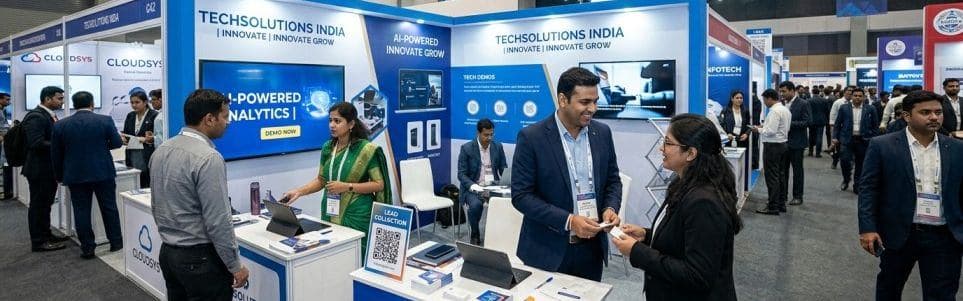
How to Exhibit at a Trade Show in India: A Step-by-Step Guide for First-Time Exhibitors
Trade shows and exhibitions remain one of the most effective ways for businesses to showcase products, meet potential buyers, generate leads, and build brand credibility. For first-time exhibitors, however, participating in a trade show can feel overwhelming. Questions about booth design, budgeting, marketing, staffing, and lead generation often arise long before the event begins.
This guide walks you through the complete process of exhibiting at a trade show in India, helping you prepare strategically and maximize your return on investment.
Why Participate in Trade Shows?
Exhibitions bring together buyers, suppliers, distributors, manufacturers, investors, and industry professionals under one roof. Unlike digital marketing channels, trade shows allow face-to-face interactions that help build trust and accelerate business relationships.
Key benefits include:
- Direct access to targeted buyers
- Brand visibility within your industry
- Product demonstrations and launches
- Networking opportunities
- Lead generation and sales opportunities
- Market and competitor insights
Whether you are a startup, SME, manufacturer, or established brand, trade shows can significantly contribute to business growth.
Step 1: Define Your Exhibition Goals
Before booking a booth, determine what success looks like for your business.
Common exhibition objectives include:
- Generating qualified leads
- Launching a new product
- Finding distributors or dealers
- Meeting existing customers
- Increasing brand awareness
- Conducting market research
Your goals will influence booth size, marketing strategy, staffing requirements, and post-event follow-up.
Pro Tip
Set measurable KPIs such as:
- Number of leads generated
- Meetings conducted
- Product demonstrations completed
- Revenue generated
- Distributor inquiries received
Step 2: Choose the Right Trade Show
Not every exhibition is suitable for your business.
When evaluating trade shows, consider:
- Industry relevance
- Visitor profile
- Exhibitor profile
- Event reputation
- Previous attendance figures
- Geographic location
- Cost of participation
Research past editions and identify whether your target audience attends the event.
Platforms like The Expo Company help businesses discover upcoming exhibitions across industries, making it easier to identify suitable events and compare opportunities.
Step 3: Plan Your Budget
One of the biggest mistakes first-time exhibitors make is underestimating costs.
Your exhibition budget should include:
| Expense Category | |
| Booth Space | Stall rental |
| Booth Design | Fabrication, branding |
| Marketing Materials | Brochures, catalogs |
| Travel & Accommodation | Team expenses |
| Product Samples | Demonstration units |
| Technology | Screens, lead capture tools |
| Promotional Activities | Giveaways, contests |
| Logistics | Shipping and handling |
Always keep a contingency budget of 10–15% for unexpected expenses.

Step 4: Book Your Booth Early
Prime booth locations often sell out months before major exhibitions.
Popular locations include:
- Near entrances
- Adjacent to seminar zones
- Close to food courts
- Corner booths
- Main aisle locations
Early booking can also help secure better pricing and provide additional preparation time.
Step 5: Design an Attractive Booth
Your booth is your brand's physical representation.
An effective exhibition booth should:
- Clearly communicate your value proposition
- Display branding prominently
- Provide product visibility
- Include interactive elements
- Encourage visitor engagement
Consider incorporating:
- LED displays
- Product demonstrations
- QR codes
- Interactive touchscreens
- Live presentations
Remember: visitors decide within seconds whether to enter a booth.
Step 6: Promote Your Participation Before the Event
Many exhibitors focus only on the exhibition days and ignore pre-event marketing.
Promote your participation through:
Email Marketing
Invite existing customers and prospects to visit your booth.
LinkedIn Promotion
Share:
- Booth announcements
- Product previews
- Team introductions
- Meeting invitations
Website Updates
Create a dedicated event page with:
- Event details
- Booth number
- Registration information
Event Directories
List your participation on exhibition and trade show platforms to increase visibility before the event begins.
Step 7: Train Your Booth Staff
Your team can make or break the visitor experience.
Staff members should:
- Understand products thoroughly
- Communicate clearly
- Ask qualifying questions
- Collect visitor information
- Demonstrate products confidently
Avoid:
- Sitting constantly
- Looking at phones
- Eating at the booth
- Ignoring visitors
Professional engagement significantly increases lead conversion rates.
Step 8: Focus on Lead Generation
Generating leads should be one of your primary objectives.
Methods include:
- QR code registrations
- Digital lead capture apps
- Business card collection
- Product demo sign-ups
- Survey participation
For each lead, capture:
- Name
- Company
- Contact information
- Interest level
- Product requirements
- Follow-up notes
The quality of leads is often more important than the quantity.
Step 9: Network Beyond Your Booth
Many valuable opportunities occur outside the exhibition floor.
Attend:
- Industry conferences
- Networking sessions
- Product launches
- Business matchmaking programs
- Workshops and seminars
Connect with:
- Potential customers
- Distributors
- Suppliers
- Investors
- Industry influencers
The relationships built at trade shows often create long-term business opportunities.
Step 10: Follow Up Quickly After the Event
The exhibition may end, but the sales process has only begun.
Follow up within 48–72 hours.
Recommended follow-up sequence:
Day 1–3
Send thank-you emails.
Week 1
Share product information and brochures.
Week 2
Schedule meetings or demonstrations.
Month 1
Evaluate opportunities and close deals.
Timely follow-up dramatically improves conversion rates.
Measure Your Exhibition ROI
After the event, assess performance using metrics such as:
- Leads generated
- Meetings conducted
- Sales opportunities created
- Revenue generated
- Cost per lead
- Brand visibility outcomes
Understanding your results will help improve future exhibition participation.
Common Mistakes First-Time Exhibitors Should Avoid
- Choosing the wrong exhibition
- Booking too late
- Weak booth design
- Insufficient marketing
- Poor staff training
- Not tracking leads
- Delayed follow-up
- Focusing on quantity over quality
Avoiding these mistakes can significantly improve exhibition success.
How The Expo Company Helps Exhibitors
Finding the right exhibition is often the first challenge for businesses entering the trade show ecosystem.
The Expo Company helps exhibitors discover upcoming trade shows, exhibitions, conferences, and business events across India. By exploring relevant industry events, businesses can identify opportunities that align with their goals, target audience, and growth strategy.
Whether you're exhibiting for the first time or expanding into new markets, choosing the right event can make all the difference.
Final Thoughts
Exhibiting at a trade show in India can be a powerful investment when approached strategically. Success depends on careful planning, selecting the right event, creating an engaging booth experience, generating quality leads, and executing timely follow-up.
For first-time exhibitors, the goal should not only be visibility but also building meaningful business relationships that contribute to long-term growth. With proper preparation and execution, your first trade show can become the foundation for many successful exhibitions in the future.
Share this article


